Shade & Shelter
A calmer place beside the water.
Thoughtful shade and outdoor shelter help turn bright shoreline hours into slower, more comfortable days outside. Explore practical pieces for beach afternoons, lakeside pauses, picnic setups and relaxed outdoor stays.
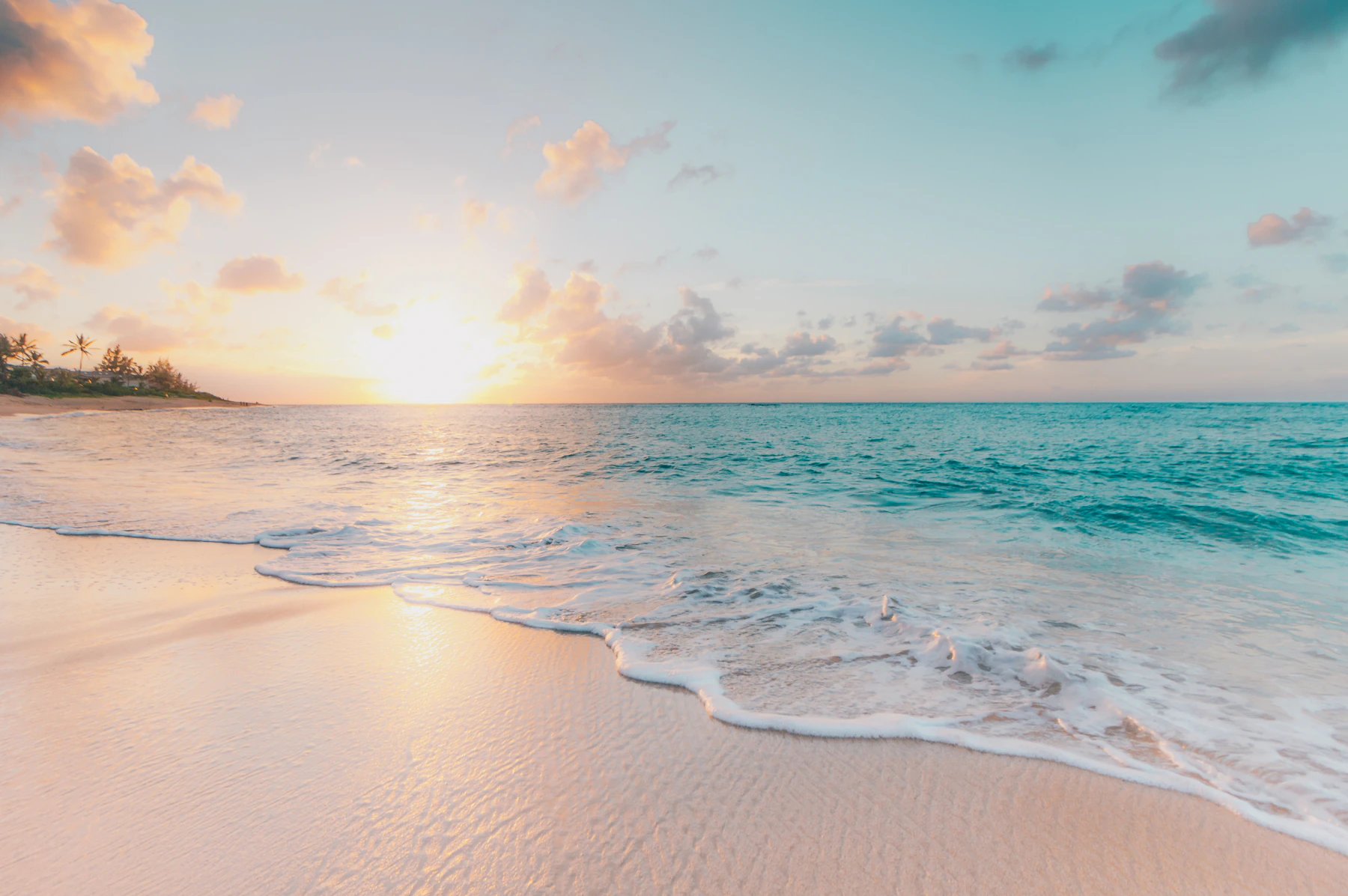
Shelter that supports the pace of the day.
A good outdoor setup is not about bringing more. It is about creating a useful place to pause between swims, paddles, games and shoreline walks.
Shade can define a comfortable base for bags, towels, picnic essentials and the quieter moments between activities. The right format depends on where you are going, how long you plan to stay and how much space your day requires.
Three ways to create a more considered outdoor base.
Think about coverage, setup style and the amount of usable space you want around your beach, lake or picnic essentials.
Canopies & shade sails
A flexible choice when you want broad overhead coverage while keeping the setup open, airy and connected to the surrounding shoreline.
Beach tents & sun shelters
Useful when you prefer a more defined personal area for towels, bags and quiet breaks during longer beach or lakeside stays.
Portable beach shade
A straightforward option for casual days when easy placement and a familiar, uncomplicated footprint matter most.

Start with how the shelter will actually be used.
Before choosing a format, picture the full setup around it. A small shade area for two towels has different needs from a shared lakeside base holding chairs, dry bags, picnic pieces and water-sports gear.
- Allow useful floor space for the people and equipment joining your day.
- Consider whether you prefer open airflow or a more enclosed resting area.
- Think about how far the shelter needs to travel from parking, camp or home.
- Keep access paths clear so boards, paddles and bags are easy to move around.
Shade fits differently into every day outside.
The best setup is the one that works naturally with your destination, your equipment and the way you intend to spend your time.
Beach afternoons
Create a defined place for towels, beach bags, loungers and slower breaks between time in the water.
Lakeside paddling
Keep a comfortable base near the launch area for dry bags, paddles and the equipment you want close at hand.
Picnic pauses
Give outdoor dining and relaxed social time a clearer footprint with space for seating, bags and shared essentials.
Camping leisure
Add a versatile covered area beside camp for everyday organization, resting and the quieter parts of an outdoor stay.
Build the day around movement and rest.
Shade and shelter can sit quietly in the background while the rest of the day moves between paddling, swimming, shoreline walks and time together.

A base between swims and shoreline time.
Keep dry essentials gathered in one place while leaving the rest of the day open for water, movement and spontaneous plans.

Room for slower hours beside the lake.
A considered shelter area helps create a comfortable transition between paddling, eating, organizing gear and simply being outside.
What to consider before choosing.
A few practical questions can help narrow the choice without overcomplicating the setup.
Coverage
Consider the number of people, chairs, towels, bags and outdoor gear that need to share the shaded area. More coverage can be useful when the shelter acts as a central base.
Portability
Think about the full journey from storage to shoreline. The most practical option is one that fits comfortably into the way you already transport your outdoor essentials.
Setup style
Some days call for a simple, compact setup. Others benefit from a larger shared space. Choose a format that matches how much time and attention you want to give installation.
Environment
Beach, lake, park and campsite settings can all feel different. Review the product instructions and use your shelter only where the setup method is suitable for the surrounding surface and conditions.
Organization
Plan where bags, dry storage, chairs, paddles and picnic items will sit so the shelter remains comfortable rather than becoming a crowded holding area.
A few useful questions before heading out.
Product-specific dimensions, setup instructions and care guidance should always be reviewed on the individual product information provided with your chosen item.
How much shade space should I plan for?
Start with the number of people using the area, then include room for chairs, towels, bags and any water-sports equipment you want to keep nearby. A little additional open floor space can make the setup easier to move through.
Should I choose an open canopy or a more enclosed shelter?
Open designs can feel airy and social, while more enclosed styles create a clearer personal resting area. The better choice depends on your destination, group size and preferred balance between openness and separation.
What should I consider when carrying shelter gear to the beach?
Consider packed size, the distance from parking to your setup area and the other equipment you already plan to carry. A shelter that fits naturally into your existing load is usually easier to enjoy throughout the day.
Can the same shelter work for beach, lake and picnic use?
Some portable formats can suit several types of outdoor leisure, but compatibility depends on the individual product and the intended setup surface. Review the specific product instructions before use in a new environment.
How should I organize gear around a shelter?
Keep walkways and entry points clear. Place frequently used items within easy reach and group dry storage, paddling equipment and picnic essentials so the shelter remains comfortable and uncluttered.
Where can I ask a product-specific question?
Contact Splashvia at info@splashvia.lol or 510-234-8486. Our listed shipping time is 3–5 business days.
Make a little more room for the day outside.
From shoreline pauses to lakeside afternoons, thoughtful shade can make the spaces between activities feel more settled, organized and comfortable.